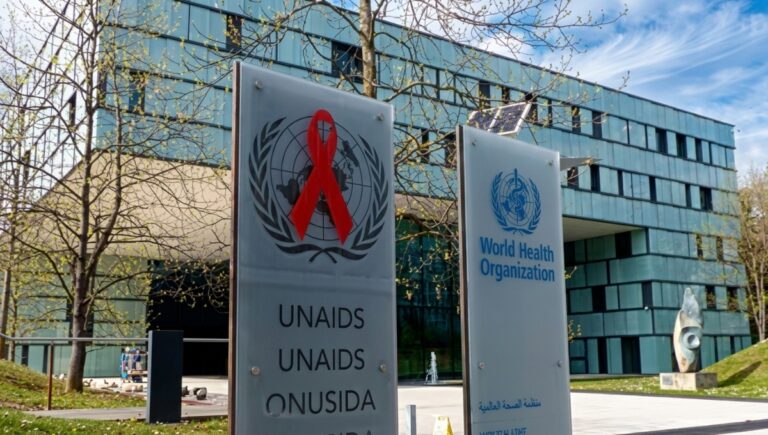
The United Nations has agreed to retain and reform the Joint United Nations Programme on HIV/AIDS (UNAIDS), rejecting plans to shut it down as the global fight against HIV faces funding challenges.
The decision was made during a special session of the UNAIDS Programme Coordinating Board, which agreed that the programme should be streamlined and made more efficient without compromising services for people living with HIV or those at risk of infection.
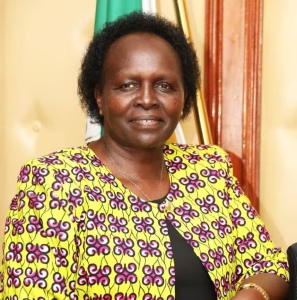
UNAIDS Executive Director Winnie Byanyima welcomed the decision, saying the board had chosen to strengthen the programme rather than bring it to an end. She said the next step would be to ensure the planned changes are implemented properly.
“Moving faster is not necessarily moving forward.”
Speaking at today’s UNAIDS PCB Special Session, Executive Director @Winnie_Byanyima stressed that the UNAIDS Joint Programme’s transformation must be responsible and do no harm. Functions cannot be transferred to governments and… pic.twitter.com/vDHW41Y1Ai
— UNAIDS Global (@UNAIDS) October 26, 2026
Under the new plan, UNAIDS will retain its mandate, with a smaller and more focused secretariat working alongside UN partner agencies. These agencies will take on stronger roles in providing technical support, while communities affected by HIV will have a greater say in decisions.
The reforms will also protect human rights and gender equality, maintain the programme’s current governance structure and allow countries to make the transition at a pace that suits their needs and readiness.
UN Deputy Secretary-General Amina Mohammed said the changes are intended to protect and strengthen the UN’s HIV response, with greater focus on services and support at country level.
The board has directed the UNAIDS Executive Director to establish a transition team that will develop a fully costed implementation plan in consultation with governments, partner agencies and community representatives.
The decision comes as UNAIDS faces funding cuts and the possibility of some countries losing support. Several countries have already pledged contributions to help maintain its operations. Algeria, for example, has announced a voluntary contribution of US$40,000 to its UNAIDS country office for 2027, in addition to providing office space and national personnel.
Other countries that have contributed include Benin, Brazil, Cambodia, China, Côte d’Ivoire, Kazakhstan, Laos, the Philippines, South Africa and Thailand.
The board also approved UNAIDS’ 2027 work plan and budget, calling on governments to release outstanding contributions and make longer-term funding commitments to support its work.
APERIT FM, HII NI YETU