The prospect of El Niño has added a new concern to Kenya’s public health agenda, with warnings that changing weather conditions could complicate the fight against malaria across East Africa.
Health authorities in the region are being urged to strengthen disease surveillance and prevention efforts amid concerns that shifts in rainfall and temperature could expose more communities to malaria-carrying mosquitoes.
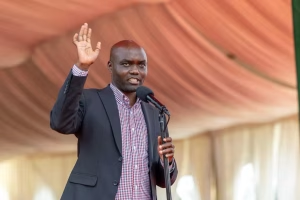
Israel’s Ambassador to Kenya, Gideon Behar, has called on governments to prepare for the potential consequences of climate change on malaria transmission, warning that the disease is becoming a growing challenge as environmental conditions change.
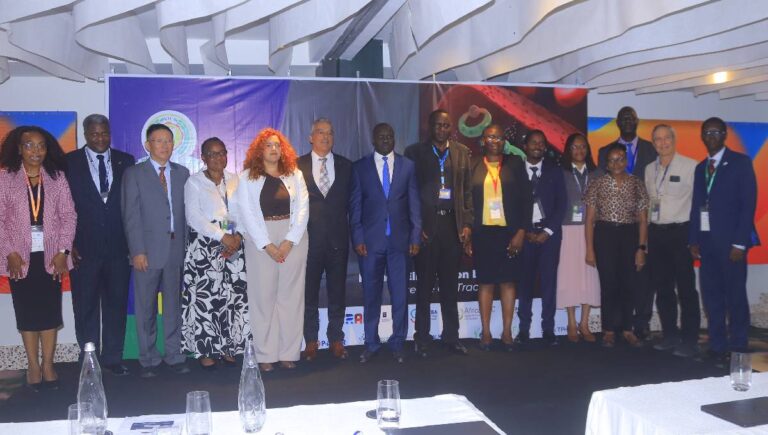
Behar made the remarks during a regional gathering of malaria experts in Nairobi, where officials from East African Community member states are examining the region’s progress towards eliminating the disease by 2030.
He cautioned that malaria control strategies must account for changing environmental conditions, which can allow mosquitoes to survive in locations where they were previously less common.
For Kenya, the concern is particularly relevant as weather forecasts and preparations for possible El Niño conditions draw attention to the relationship between heavy rainfall, flooding and public health.
Rainwater collecting in discarded containers, blocked drainage systems and other stagnant-water sites can provide breeding grounds for mosquitoes. However, the actual effect on malaria transmission will depend on local weather patterns, existing prevention measures and access to treatment.
Behar challenged governments to move beyond policy discussions and ensure that preparedness plans translate into action on the ground.
His warning comes against the backdrop of a wider malaria crisis in Africa, which continues to account for the overwhelming majority of infections and deaths recorded worldwide.
Figures published in the World Health Organization’s 2025 malaria report estimate that 282 million malaria cases occurred globally in 2024, with Africa accounting for 94 per cent of infections and 95 per cent of malaria deaths.
WHO Kenya Deputy Representative Dr Boston Zimba said the continent was not on course to achieve its 2025 milestones for reducing malaria cases and fatalities.
He called for stronger political leadership, investment in new interventions, improved use of health data, better financing and action against emerging threats, including drug resistance and climate-related changes.
Zimba warned that extreme weather, flooding, humidity and temperature variations could influence mosquito survival and create new challenges for malaria prevention programmes.
He urged countries to factor climate risks into their public health strategies instead of relying exclusively on conventional approaches to controlling the disease.
East African countries seek a common front
Beyond Kenya’s preparedness, the discussions in Nairobi have highlighted the need for neighbouring countries to coordinate their response.
Malaria transmission does not stop at national borders, making cooperation on disease monitoring, diagnosis, treatment and mosquito control essential to regional progress.
Edwin Onyango, representing Kenya’s Ministry of Health, said community-level healthcare would be central to identifying illnesses early and connecting affected households with appropriate services.
He also emphasised the importance of cooperation between East African countries in tackling drug resistance and strengthening cross-border surveillance.
The East African Community is working towards improved regional monitoring of resistance to antimalarial medicines, while stakeholders are also pushing for stronger financial commitments to support elimination programmes.
A proposed regional malaria fund is among the initiatives being considered to help address resource constraints.
Four years to meet the 2030 target
The regional meeting comes at a critical point in the campaign to eliminate malaria, with countries facing the combined challenges of inadequate funding, drug resistance and changing transmission patterns.
Behar said Israel was willing to share its research and public health experience with East African partners. Researchers from several Israeli institutions are participating in the Nairobi meeting to exchange expertise with regional counterparts.
He urged delegates to identify practical interventions that can be implemented immediately, alongside longer-term measures to strengthen malaria control.
For Kenya and its neighbours, the challenge is to ensure that potential climate-related risks do not weaken efforts to reduce infections and save lives.
With the 2030 target approaching, regional health authorities face mounting pressure to turn commitments into measurable progress while preparing for environmental changes that could reshape the malaria threat.
The outcome will depend on how effectively governments combine early warning systems, community prevention, accessible treatment and coordinated regional action
APERIT FM, HII NI YETU